

Key Takeaways:
- Understand different house foundation types: slab, crawl space, and basement.
- Slab foundations are cost-effective but susceptible to cracking; crawl spaces provide access but can have moisture issues; basements offer extra space but require maintenance.
- Soil type impacts foundation stability; cohesive soils can exert pressure while granular soils provide better drainage.
- Be vigilant for foundation issues: cracks, uneven settling, and shifting doors/windows indicate potential problems.
- Check for bulging or sinking foundations and signs of soil erosion around the home’s exterior.
- Conduct regular internal inspections, looking for odors and humidity in basements and crawl spaces.
- Equip yourself with essential inspection tools: flashlight, leveling tool, moisture meter, camera, measuring tape.
- Follow a step-by-step checklist for thorough foundation assessment, documenting findings for future reference.
- Seek professional help for significant damage or when in doubt about repairs needed.
- Know what to ask foundation experts regarding credentials, past work, and detailed estimates for repairs.
- Understand inspection reports by familiarizing yourself with common terms and discussing unclear points with inspectors.
- A proactive approach to foundation maintenance can enhance the lifespan and value of your home.
The Critical Role of House Foundations: Why They Matter
Understanding Foundation Types: A Deep Dive
When it comes to house foundations, understanding their types is crucial for homeowners. The foundation serves as the bedrock of your home, anchoring it to the ground and supporting its entire structure. This inconspicuous aspect of your home plays a pivotal role in ensuring structural integrity, resilience against natural forces, and longevity. There are primarily three types of foundations: slab, crawl space, and basement foundations. Each comes with distinct advantages and disadvantages, contingent upon factors such as location, climate, and soil conditions.
A slab foundation, often regarded as the simplest and least expensive option, consists of a single concrete slab poured directly onto the ground. It’s usually employed in warmer climates where the ground doesn’t freeze. While cost-effective, this type can be prone to cracking due to soil movement or moisture issues. On the other hand, a crawl space foundation involves a short wall that elevates the home off the ground. This foundation type provides easier access for plumbing and electrical repairs, but it can encourage moisture problems and pest infestations if not correctly ventilated.
Lastly, basement foundations are a popular choice in areas with cold weather, as they provide additional living or storage space and protect against flooding, provided proper drainage systems are in place. However, they require meticulous construction and ongoing maintenance due to potential moisture infiltration and hydrostatic pressure. Understanding these foundation types and their implications can significantly affect your home’s performance and safety.
The Science Behind Ground Support: Soil and Stresses
The relationship between your home’s foundation and the underlying soil is a fundamental aspect of structural integrity. Soil types can inherently possess varying capacities to support structures, and understanding this relationship can offer homeowners essential insights into foundation health. The two primary categories of soil are cohesive and granular. Cohesive soils, such as clay, expand and contract with moisture changes, potentially exerting significant pressures on a foundation. Granular soils, composed of sand and gravel, typically provide better drainage and stability. Yet, they can also shift under excessive loads.
The concept of bearing capacity plays an essential role when it comes to foundations. It refers to the maximum load that soil can support without failure. A weak bearing capacity can lead to settling or heaving, causing structural issues. Furthermore, understanding how soil settles under dynamic loads—such as vehicles or heavy furniture—can help homeowners predict potential problems before they arise. Therefore, a thorough knowledge of soil types, their characteristics, and how they react under various conditions can empower homeowners to take proactive measures in ensuring their foundation remains secure.
Signs Your Foundation May Be in Trouble: What to Look For
Common Red Flags: Cracks, Settling, and More
Being vigilant about your home’s foundation is paramount to preventing extensive damage. A myriad of signs can indicate a foundation is in trouble, with cracks being among the most visible red flags. These fissures may appear in walls, floors, or the foundation slab itself. Vertical cracks in walls could suggest the building is settling, while horizontal cracks typically indicate pressure from outside forces, such as expanding soil. A reason for immediate concern arises when these cracks become wider than a quarter of an inch, as this could indicate serious structural issues.
Another common issue noticed in many homes is uneven settling. This can manifest as sloped floors or visible tilting of walls and doors. Not only does uneven settling indicate the foundation might be unable to support the home properly, but it might also suggest drainage issues surrounding your property. Homeowners should also be aware of the condition of their foundation’s exterior. If you notice bulging or sinking around the edges of your foundation, or if soil erosion is evident, you could be facing foundational trouble that warrants immediate attention.
Internal Symptoms: What Your Walls, Doors, and Windows Say
In addition to external signs, internal features of your home can provide significant clues about foundation issues. For instance, doors and windows may stick due to misalignment with settling, creating a frustrating experience. Homeowners should regularly observe how these elements are operating; if doors that once opened seamlessly begin to jam, it could suggest your home’s structure is shifting. Furthermore, internal wall damage—like cracks or bulges—could indicate that foundational problems are manifesting within your living space.
Basement and crawl space environments also provide key indicators. Musty odors and excessive humidity can hint at leaks, potentially resulting in significant water damage. Inspecting your home’s interior features regularly enables you to detect issues early, allowing for timely interventions that can save both time and money down the line.
Your DIY Guide to Foundation Inspection: Getting Hands-On
Tools of the Trade: Essential Gear for Homeowners
Conducting your own foundation inspection can empower you to take control of your home’s maintenance. But to do so effectively, it’s important to equip yourself with the right tools. First and foremost, you’ll need a flashlight to navigate dim corners and crawl spaces, ensuring you can adequately view and assess critical areas of your foundation. A leveling tool—like a carpenter’s level—can help identify uneven surfaces, giving you insight into settling or shifting problems.
Other essential tools include a moisture meter, which can detect hidden dampness in walls and floors, as moisture is often a precursor to serious foundation issues. A camera can also be useful for documenting areas of concern that may need to be discussed with professionals. Having a measuring tape allows homeowners to keep track of crack sizes and shifts in structural materials over time, which is vital for understanding the progression of any potential issues. By arming yourself with these tools, you will be better prepared to assess your foundation and gauge whether professional intervention is necessary.
Step-by-Step Checklists: Conducting a Thorough Review
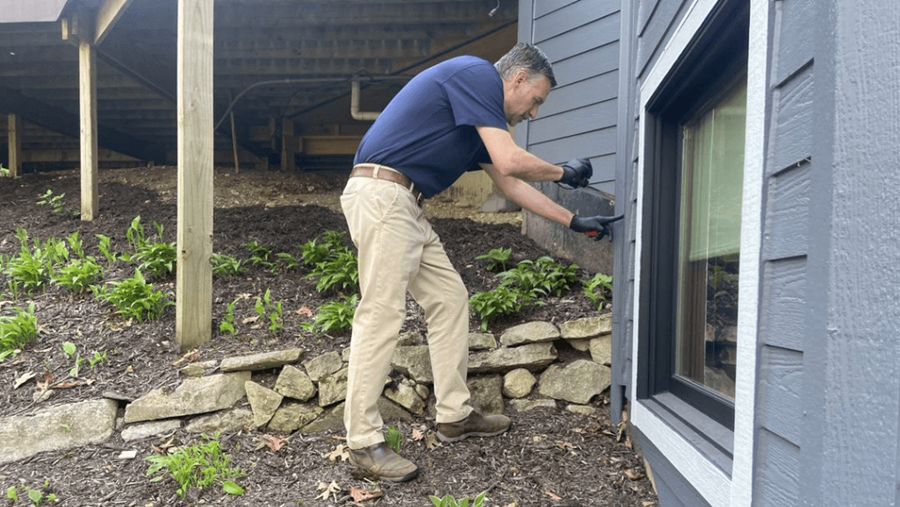
To conduct a successful foundation inspection, follow a thorough step-by-step checklist to systematically assess your home’s condition. Begin by analyzing the exterior. Start from the basement or crawl space, if accessible, to check for visible cracks, moisture, or pest infestations. Look for water pooling near the foundation, which signifies drainage concerns. Next, examine the first floor of your home. Inspect for sloping floors, cracks in walls, and doors and windows that are hard to operate.
Once you’ve inspected the interior and exterior, cycle back outside to closely observe the exterior of your home. Look for soil erosion, downspouts that are discharging water too close to the foundation, or settling that causes your foundation to become exposed. Document any findings meticulously, taking photographs of concerns, as this evidence can later be invaluable in discussions with foundation repair specialists. By following a comprehensive checklist, you will be well-equipped to identify possible issues and take appropriate action.
When to Call a Professional: Navigating Inspections and Repairs
Choosing the Right Foundation Expert: Questions to Ask
While homeowners can perform initial inspections, some situations demand the expertise of a professional. In cases where you observe significant structural damage, it’s prudent to seek a foundation specialist. Choosing the right foundation expert is essential for effective repair, and knowing what questions to ask can aid in finding the best fit for your needs. Start by inquiring about the contractor’s credentials, such as licensing and insurance, as well as their experience specific to foundation concerns.
Another important factor is to ask for references and past project examples. This will provide insights into their workmanship and reputation. Additionally, ensure that they can offer a detailed, written estimate that outlines costs for repairs and describes the proposed solutions. Engaging in thorough conversations will give you a clearer understanding of potential repairs and affirm whether the contractor is equipped to handle the complexity of your foundation issues.
Understanding Inspection Reports: Decoding Technical Jargon
After hiring a professional for house foundation inspection, the review often culminates in an inspection report—an invaluable document detailing the health of your foundation. However, these reports can often be littered with technical jargon that may confuse homeowners. Familiarizing yourself with common terms within these reports can help demystify the content. Look for terms like ‘settlement,’ which refers to the downward movement of the foundation, or ‘heaving,’ which is the upward movement due to moisture expansion.
Additionally, understanding ratings and classifications—often given to various components of the foundation—can assist in comprehending the urgency of repairs needed. Some reports may include photographs or diagrams to illustrate issues found within the structure. Taking the time to discuss any unclear aspects with the inspector can not only clarify your understanding but also arm you with the knowledge necessary to make informed decisions moving forward. Navigating through these reports with an educated perspective can significantly shape how effectively you address any foundational issues.
In conclusion, maintaining a healthy foundation is crucial for the overall integrity of your home. By understanding various foundation types, being vigilant about signs of trouble, and equipping yourself with the right tools to perform inspections, you can play an active role in safeguarding your home. When necessary, enlisting professional help ensures that any foundational challenges are addressed promptly and efficiently. For homeowners, a proactive approach, grounded in thorough inspection and informed decision-making, can provide lasting benefits, extending the lifespan and value of your home.
FAQ
Question: What is the best time of year to conduct a foundation inspection? – The best time to conduct a foundation inspection is during the dry seasons, typically in spring or early fall, when the ground is stable and the weather is less likely to influence surface conditions.
Question: Can landscape choices affect my home’s foundation? – Yes, choices regarding landscaping, such as large trees or shrubs planted too close to the foundation, can lead to moisture absorption and soil movement, negatively impacting foundation stability.
Question: How can I prevent foundation issues? – Preventative measures include maintaining proper drainage away from the foundation, sealing cracks immediately, avoiding heavy landscaping near the foundation, and regularly inspecting for signs of settling or moisture.
Question: What signs indicate I should call a professional immediately? – You should call a professional immediately if you notice large, wide cracks (over a quarter-inch), significant doors or windows that stick, or severe sloping floors, as these may indicate serious structural issues.
Question: How often should I inspect my foundation? – It is recommended to inspect your foundation at least twice a year and after significant weather events, such as heavy rains or droughts, which could impact soil stability.
Question: Are DIY repairs recommended for foundation cracks? – Minor hairline cracks can sometimes be repaired with DIY methods, but significant cracks or foundational problems should always be assessed and repaired by professionals to ensure structural safety.
Question: What is ‘heaving’ in relation to foundations? – ‘Heaving’ refers to the upward movement of the foundation due to expansion of the soil, often caused by moisture changes, which can lead to serious structural problems if not addressed.
Question: How do I know if I need a full foundation inspection? – You should consider a full inspection if you notice persistent signs of trouble, such as cracks that worsen over time, obvious settling issues, or if you are planning major renovations that could affect foundation stability.