

Attending a Catholic funeral for the first time can feel unfamiliar, especially for guests who do not share the same faith tradition. Yet Catholic funeral services in the city-state are structured, meaningful, and welcoming, offering clear rituals that guide family and visitors through the grieving process. Understanding the flow of events helps non-Catholic guests participate respectfully while supporting the bereaved during a difficult time.
The Structure of Catholic Funeral Services
Catholic funeral services typically follow a three-part structure: the wake, the Funeral Mass, and the burial or cremation. The wake is usually the most accessible portion for non-Catholic guests, as it is a time for conversation, prayers, and condolences. The wake may be held at a funeral parlour or at the family home, depending on their preference and the arrangement made with the funeral provider. Guests usually offer brief words of sympathy and spend time with the family before the prayer service begins. This rhythm is typical across many funeral services, but Catholic wakes may include rosary prayers led by a priest or family representative.
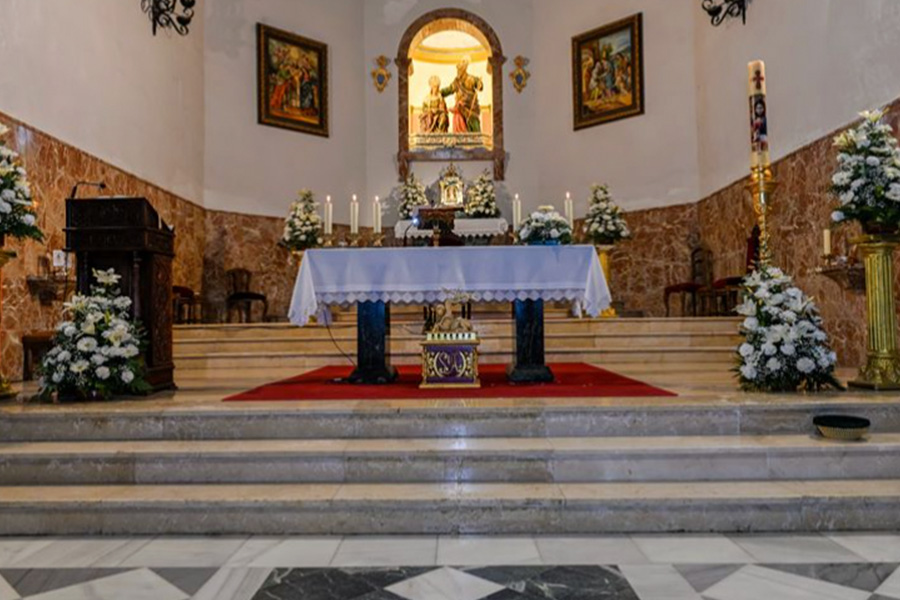
The Funeral Mass is the most formal and religious segment. It takes place in a Catholic church and follows a clear liturgical order. Although non-Catholics are not expected to participate in the sacramental parts, such as Holy Communion, they are welcome to remain seated respectfully. The Mass emphasises hope in eternal life, and this central belief shapes the tone and message of the service. After the Mass, the final commendation is performed before the procession moves to the burial ground or crematorium.
Participation Expectations for Non-Catholic Guests
Non-Catholic guests are not required to participate in specific rites, but basic participation helps show respect to the family. Standing and sitting with the congregation when prompted is acceptable, but guests should avoid making the Sign of the Cross or receiving Communion unless they are Catholic. Remaining silent and attentive is sufficient during prayers. Catholic funeral services often include hymns and readings, and guests may follow along using printed booklets provided by the church or funeral organiser.
Appropriate attire is necessary. Guests are expected to dress modestly, choosing darker colours such as black, navy, or grey. Flashy or overly casual clothing should be avoided. It is also polite to arrive on time, especially for the Funeral Mass, as late entry can disrupt the service. Mobile phones should be muted, and unnecessary movement should be kept to a minimum.
Understanding Symbolism and Rituals
Catholic funeral services incorporate several symbols that represent core beliefs. The crucifix, prominently displayed near the casket, reflects the Catholic understanding of death as a passage to eternal life. Candles symbolise the light of Christ, while incense represents prayers rising to heaven. Non-Catholic guests do not need to interpret these symbols in a religious sense, but a basic awareness helps them understand why these elements are present. Guests may witness holy water being sprinkled on the casket during the rites, a gesture that recalls baptism and reinforces the belief that the deceased is entrusted to God’s care. These actions are not meant to make visitors uncomfortable but to express a long tradition that shapes Catholic identity.
Offering Support to the Family
Emotional support is a priority in most funeral services in Singapore, and the same applies to Catholic funerals. A simple expression of sympathy is enough, although some guests may offer flowers, cards, or small condolence gifts. Families may host a meal or gathering after the burial or cremation. Attendance is optional, but joining provides an additional opportunity to comfort the bereaved.
Conclusion
Non-Catholic guests can attend Catholic funeral services with confidence when they understand the structure, expectations, and meaning behind the rituals. While the traditions may differ from their own, the central purpose remains the same: to honour the deceased and support the grieving family. Guests can contribute meaningfully to the solemnity and comfort that the occasion is meant to provide by observing simple etiquette and showing respect.
Contact Casket Fairprice for compassionate assistance and practical advice in planning respectful funeral services.